Training fundamentals

Practical running guidance you can use right away.

Our resource library is designed to help runners understand why training is structured the way it is. Keep the big picture in view and make better day-to-day decisions.

Training fundamentals

Speed work should support the goal, not become the goal.

A productive interval session is controlled enough that you can repeat the intended quality without turning the last rep into survival mode.

Use faster running to practice mechanics, improve running economy, and develop specific race demands. The right pace depends on the session, your current fitness, and what comes before and after it in the week.

  • Warm up gradually before faster work
  • Use effort as a guardrail when conditions change
  • Keep recovery long enough to preserve session quality
  • Stop chasing splits when form clearly deteriorates

Runner moving through dramatic bridge shadows in a city
Recovery

Recovery is training, not leftover time.

Better running does not come from stacking hard days. It comes from making the hard work effective and recovering well enough to absorb it.

  • Respect easy-day effort even when you feel energetic
  • Protect sleep, hydration, and fueling around bigger sessions
  • Use mobility and strength work to support, not overwhelm, the week
  • Look for trends in fatigue rather than reacting to one off-day
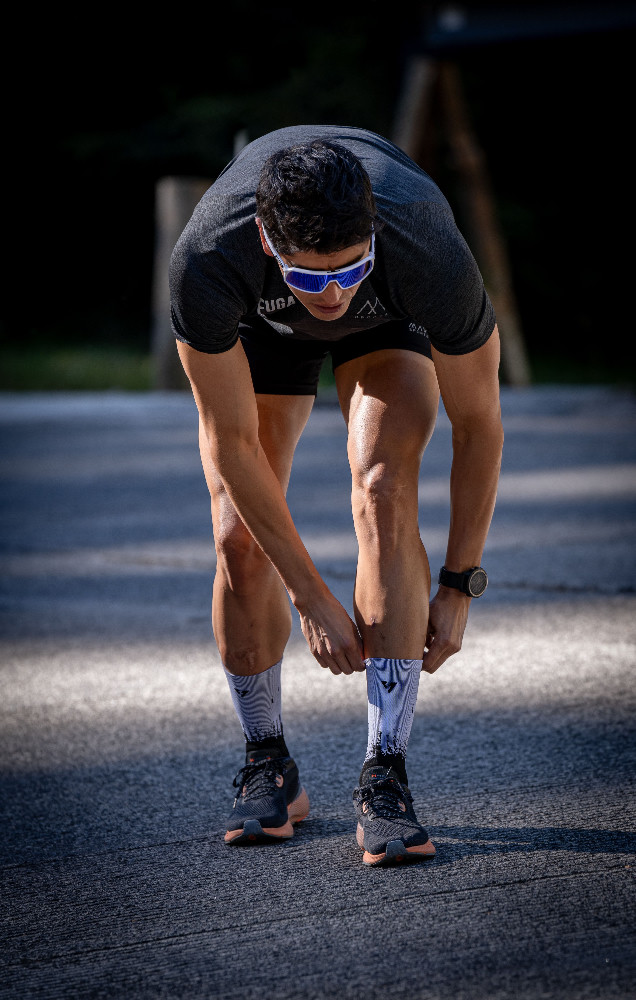
Athlete preparing for a run by adjusting socks outdoors
Race day

Race execution is part preparation, part restraint.

The best pacing plan is the one you can actually hold. Good race outcomes usually come from patience early, steadiness in the middle, and enough control to finish strong.

  • Know your first-mile or first-kilometer plan before the start
  • Practice fueling and hydration during long sessions
  • Expect some discomfort without mistaking it for failure
  • Keep cues simple when the race gets hard
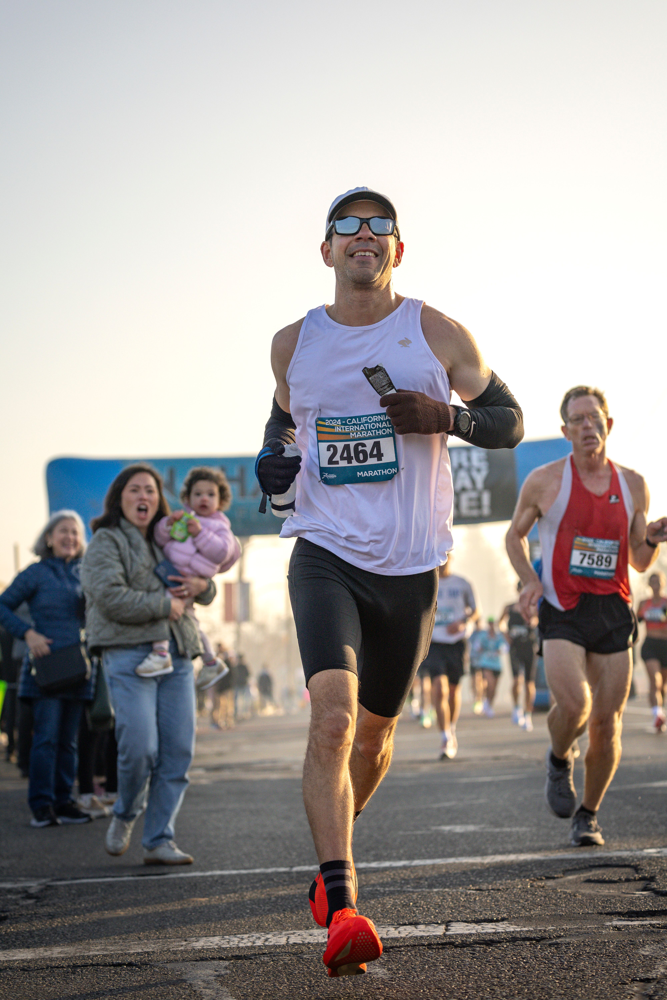
Marathon runner in action during race-day preparation
Runner tool

Race Pace Calculator

Enter a race distance and goal time to estimate your average pace per mile and kilometer.

Enter a goal time to calculate your pace.